
Top Shopify Trends & Strategies for 2025: A Complete Guide for Store Owners & Developers
 Deepak Kharware
Introduction: Why 2025 Is a Defining Year for Shopify Stores
Ecommerce is entering a more mature, competitive, and intelligent phase in 2025. Customers expect faster websites, personalized experiences, ethical brands, seamless checkout, and consistent omnichannel journeys. For Shopify store owners and developers, this year is not just about launching stores—it’s about optimizing, scaling, and future-proofing them.
Powered by Shopify, merchants now have access to advanced tools like AI-driven automation, headless commerce, B2B features, smarter checkout experiences, and deeper integrations. However, success in 2025 depends on how strategically these features are implemented.
This complete guide breaks down top Shopify trends and actionable strategies for 2025, tailored for:
-
Store owners aiming to increase conversions and retention
-
Developers building high-performance Shopify experiences
-
Agencies and consultants planning scalable commerce solutions
Top Shopify Trends & Strategies for 2026
1. AI-Powered Commerce Becomes the New Standard
Artificial Intelligence is no longer optional in ecommerce—it’s foundational.
What’s Changing in 2025
Shopify merchants are increasingly using AI for:
-
Personalized product recommendations
-
Predictive inventory management
-
Automated customer support
-
Smart content generation
Shopify’s built-in AI assistant Shopify Sidekick is becoming a daily tool for merchants, helping with analytics, store setup, product descriptions, and marketing insights.
Strategy for Store Owners
-
Use AI-driven recommendation apps to increase AOV
-
Automate FAQs and order support with AI chat
-
Analyze customer behavior patterns for smarter campaigns
Strategy for Developers
-
Build AI-ready themes with modular sections
-
Integrate AI APIs for search, filters, and personalization
-
Optimize performance to support real-time AI features
2. Headless Commerce & Custom Storefronts Go Mainstream

Headless commerce is no longer just for enterprise brands.
Why Headless Is Exploding in 2025
Using Shopify’s backend with custom frontends allows:
-
Faster load times
-
Full UI/UX control
-
Omnichannel selling (web, apps, kiosks, POS)
Shopify’s official framework Hydrogen and the Storefront API make headless development accessible even to mid-sized stores.
Strategy for Store Owners
-
Choose headless if performance and UX are critical
-
Use headless for content-heavy or global brands
-
Plan higher upfront cost for long-term scalability
Strategy for Developers
-
Build Hydrogen-based storefronts
-
Optimize Core Web Vitals aggressively
-
Use edge rendering and caching
3. Performance, Speed & Core Web Vitals Dominate Rankings
In 2025, speed = revenue.
Why Performance Matters More Than Ever
-
Google prioritizes fast-loading sites
-
Mobile users abandon slow stores
-
Checkout speed directly impacts conversions
Shopify Performance Trends
-
Lightweight themes
-
Minimal third-party scripts
-
Server-side rendering (SSR)
-
Image and font optimization
Strategy
-
Choose performance-first themes
-
Replace heavy apps with native features
-
Audit scripts monthly
-
Optimize checkout flow
4. Mobile-First & App-Like Experiences
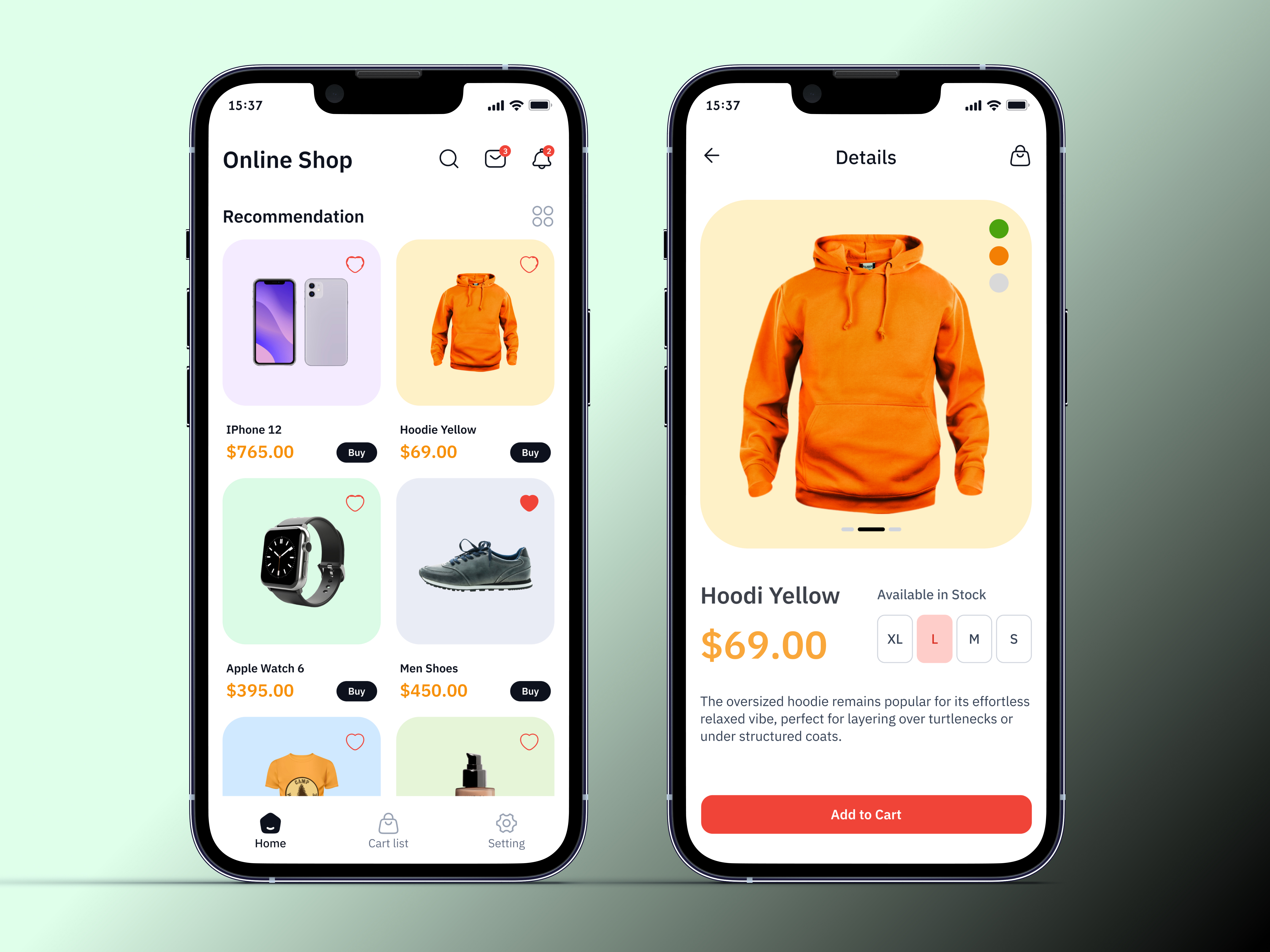
Mobile commerce dominates ecommerce traffic in 2025.
What Customers Expect
-
Thumb-friendly navigation
-
One-tap checkout
-
Fast-loading pages
-
App-like smoothness
Shopify Tools Supporting Mobile
-
Shop Pay for one-click checkout
-
PWA integrations
-
Optimized mobile themes
Strategy
-
Design mobile-first layouts
-
Simplify navigation and filters
-
Reduce form fields at checkout
5. Social Commerce & Creator-Led Selling
Social platforms are now full-fledged sales channels.
Key Platforms in 2025
-
Instagram Shopping
-
YouTube product tagging
-
Influencer storefronts
Shopify’s deep integration with Meta allows seamless product syncing and checkout.
Strategy
-
Partner with micro-influencers
-
Create creator-specific landing pages
-
Track social ROI with analytics
6. Subscription & Membership Models Continue to Grow
Recurring revenue models are booming across:
-
Consumables
-
Digital products
-
Education & communities
Shopify Advantage
Native subscription APIs and apps allow:
-
Flexible billing cycles
-
Upsells inside subscriptions
-
Better LTV tracking
Strategy
-
Offer subscribe & save options
-
Bundle memberships with physical products
-
Personalize renewal reminders
7. B2B Ecommerce Expansion on Shopify
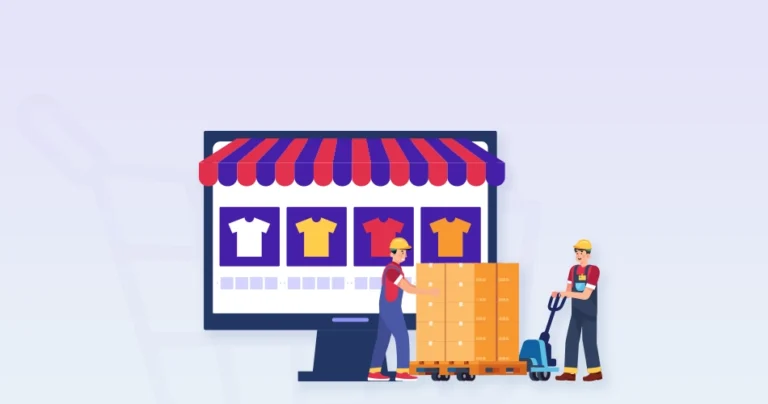
B2B ecommerce is one of the fastest-growing Shopify segments in 2025.
New Capabilities
-
Custom price lists
-
Company profiles
-
Net payment terms
-
Bulk ordering
Strategy
-
Separate B2B and DTC pricing
-
Create gated wholesale portals
-
Optimize bulk checkout UX
8. Sustainable & Ethical Commerce Is a Competitive Advantage
Consumers increasingly buy from brands aligned with their values.
Sustainability Trends
-
Eco-friendly packaging
-
Carbon-neutral shipping
-
Transparent sourcing
Strategy
-
Highlight sustainability badges
-
Use storytelling in product pages
-
Share impact reports
9. Checkout Optimization & Conversion-Focused UX
Shopify’s checkout continues to evolve in 2025.
Key Improvements
-
Faster checkout loading
-
Custom checkout UI extensions
-
Multiple payment options
Strategy
-
Enable express checkout methods
-
Reduce checkout steps
-
Test trust badges & guarantees
Shopify Checkout Customization Guide (2026): The Complete Tutorial for Store Owners
10. Data-Driven Decisions & Advanced Analytics
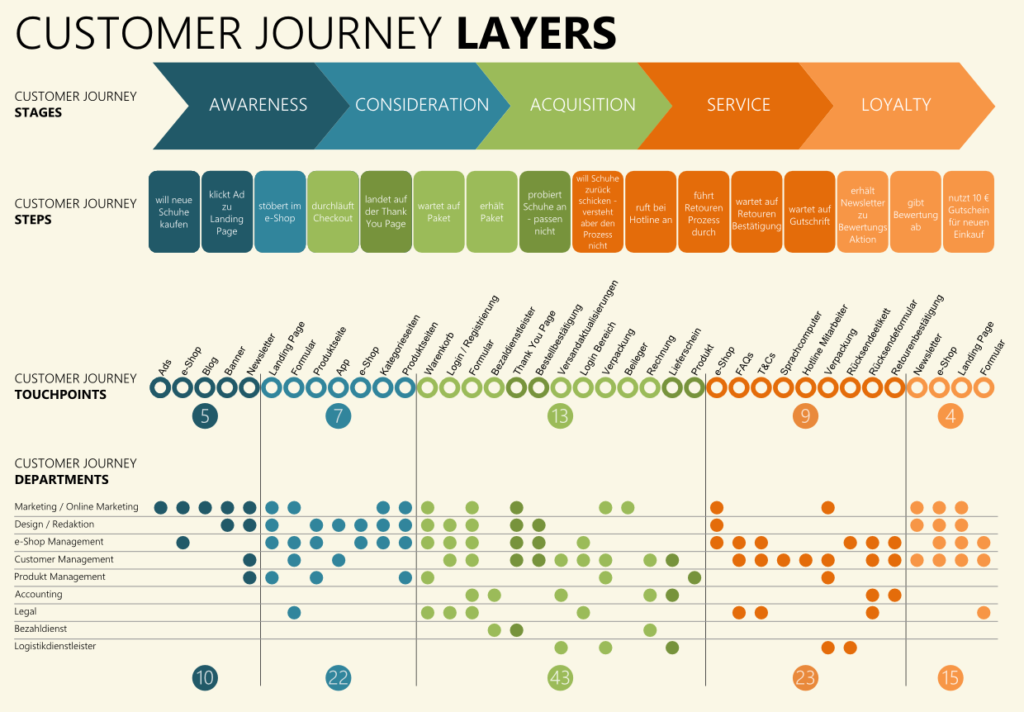
Gut feeling is out—data is in.
What Merchants Track in 2025
-
Customer lifetime value
-
Funnel drop-offs
-
Cohort behavior
-
Product-level profitability
Strategy
-
Use analytics weekly, not monthly
-
Optimize based on behavior, not assumptions
-
Segment customers aggressively
Future-Proof Shopify Strategy Checklist (2025)
-
Performance-first design
-
AI-driven personalization
-
Mobile-first UX
-
Headless where needed
-
Strong content + SEO
-
Data-backed decisions
Final Thoughts
2025 is not about chasing every new feature—it’s about choosing the right Shopify strategies that align with your brand, customers, and long-term goals. Whether you’re a store owner or a developer, success comes from performance, personalization, trust, and scalability.
Shopify continues to evolve rapidly, and those who adapt early will dominate their niche. Now is the time to optimize, experiment, and build stores that are ready for the future.


