
The Shopify Store Blueprint: How Real Brands Build Profitable, Google-Trusted & Future-Proof Online Businesses
 Deepak Kharware
Summary
This in-depth guide explains how to build a successful, Google-trusted Shopify store using real business strategy—not shortcuts. It covers niche selection, product positioning, store setup, SEO, content marketing, automation, and future-ready eCommerce trends. With rich media, FAQs, and practical insights, the blog helps creators build long-term, profitable Shopify businesses that attract organic traffic and qualify for Google AdSense approval.
This is not another “start a Shopify store in 30 minutes” article.
This is a real-world blueprint used by sustainable brands that rank on Google, earn with AdSense, and grow without burning money on ads.
Ecommerce SEO Basics Explained
Why This Shopify Guide Is Different From Everything Else Online
Most Shopify blogs talk about:
-
Themes
-
Apps
-
Dropshipping hacks
-
Ads tricks
Very few talk about:
-
Google trust
-
Content authority
-
AdSense compatibility
-
Long-term survival
-
Brand psychology
This guide focuses on how Shopify stores become digital assets, not short-lived experiments.
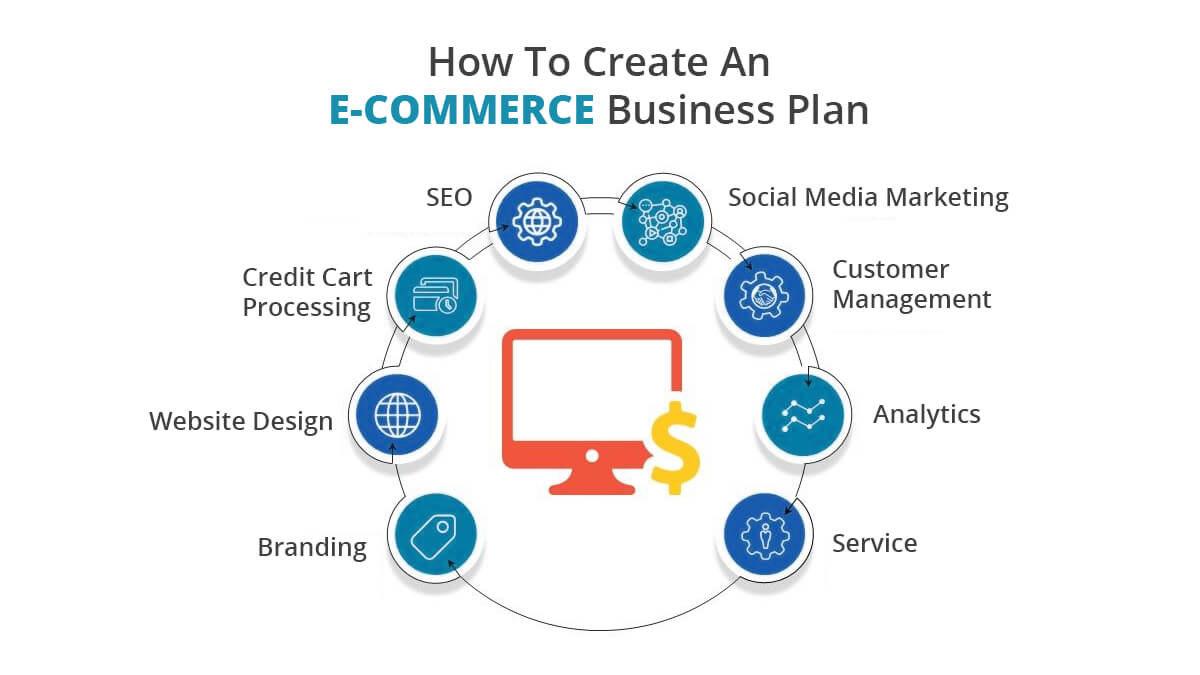
1. Shopify Is Not a Store Builder — It’s a Business Engine
Before you build anything, understand this:
Shopify does not make you money.
Your strategy does.
Successful Shopify brands treat their store as:
-
A content platform
-
A trust system
-
A solution provider
-
A long-term brand
The 3 Pillars of a Sustainable Shopify Business
-
Problem clarity – What problem are you solving?
-
Content depth – Can you educate better than competitors?
-
Trust signals – Would Google trust your site?
If one pillar is missing, growth collapses.
2. Niche Selection: Why “Low Competition” Is the Wrong Goal
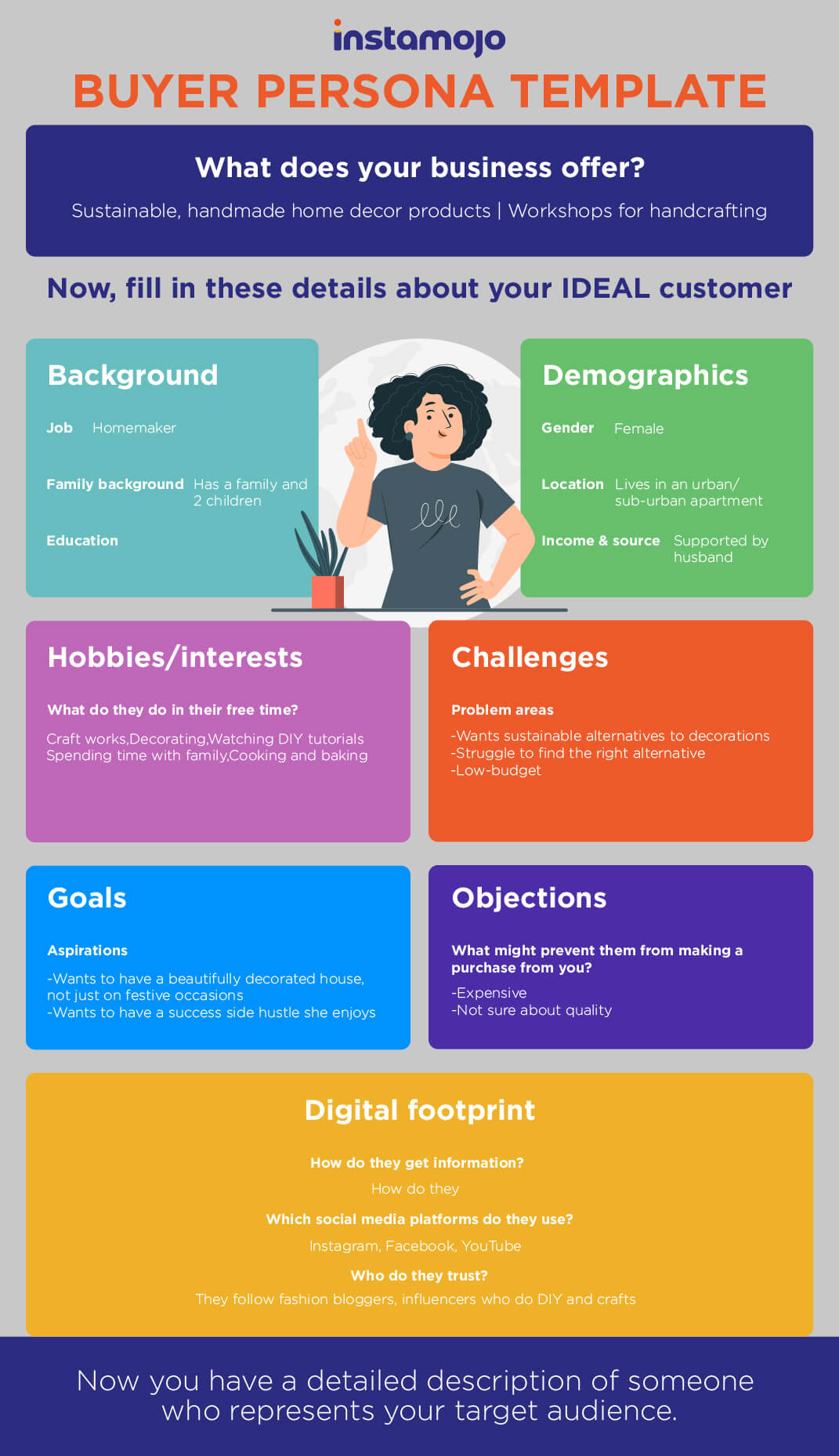
Most people search for: “Low competition Shopify niche”
This mindset fails.
What You Should Look For Instead
Choose a niche with:
-
Ongoing problems (not trends)
-
People searching questions daily
-
Products + content potential
-
Long-term relevance (5–10 years)
Example of Weak vs Strong Niches
❌ Weak:
“Trendy phone accessories”
✅ Strong:
“Work-from-home productivity & ergonomic solutions”
Why strong niches win:
-
Content ideas never end
-
SEO compounds
-
AdSense revenue grows
-
Brand trust increases
3. Product Strategy: Selling Outcomes, Not Items
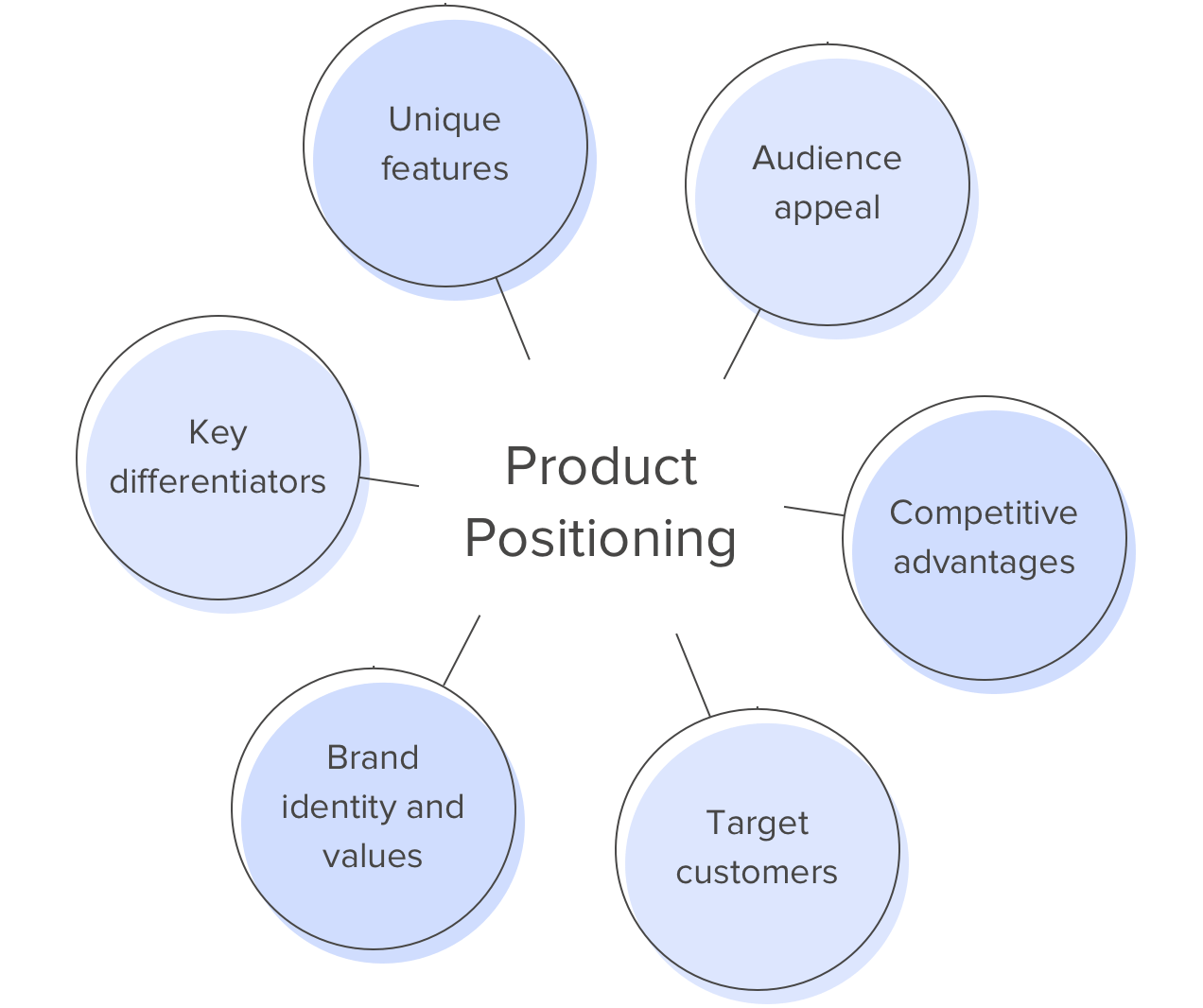
People do not buy products.They buy outcomes.
Product Positioning Framework
Instead of: “Ergonomic Chair”
Position as: “A chair designed to reduce back pain for people working 8+ hours daily”
This helps:
-
SEO
-
Conversions
-
Content marketing
-
Brand clarity
4. Shopify Store Setup That Passes Human + Google Review

Theme Selection (What Google Likes)
Use themes that are:
-
Fast
-
Mobile-first
-
Minimal
-
Accessible
Recommended:
-
Dawn
-
Sense
-
Refresh
Avoid:
-
Heavy animations
-
Auto-play videos
-
App overload
Mandatory Pages (AdSense Review Checklist)
Your site will not be approved without these:
-
About Us (real mission, no AI fluff)
-
Contact Us (working email/form)
-
Privacy Policy
-
Terms & Conditions
-
Refund / Return Policy
-
Shipping Policy
📌 These pages signal business legitimacy.
5. Rich Product Pages That Educate, Not Just Sell

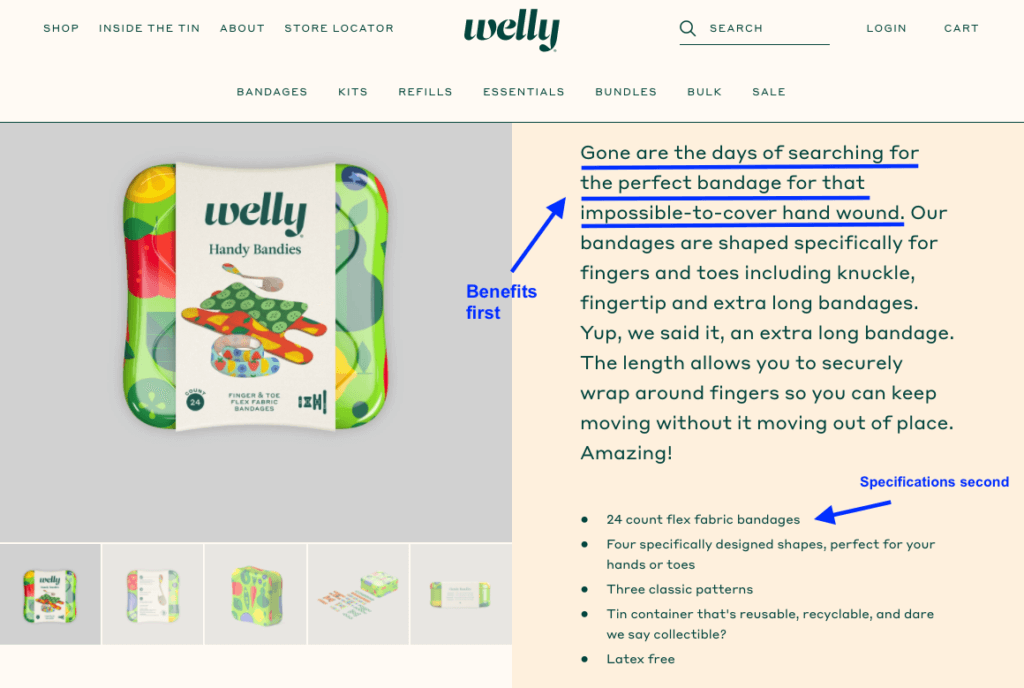
Product Description Structure (High-Trust)
-
Problem story
-
Why common solutions fail
-
Your product’s approach
-
Benefits (human language)
-
Technical details (simple)
-
Usage instructions
-
FAQs
-
Trust reassurance
This keeps users longer → better SEO + AdSense value
6. Content Is the Real Growth Engine (This Is Where Most Fail)

Why Google Prefers Content-Driven Stores
Google avoids ranking:
-
Thin affiliate stores
-
Sales-only pages
-
Duplicate content sites
Google prefers:
-
Educational resources
-
Helpful explanations
-
Authority content
Blog Content That Actually Works for Shopify
High-performing formats:
-
Ultimate guides
-
How-to tutorials
-
Problem-solving blogs
-
Comparison articles
-
Future trends
Example: “How Long Sitting Affects Your Spine (And How to Fix It at Home)”
This attracts:
-
Organic traffic
-
AdSense impressions
-
Product buyers
7. Shopify SEO: Building Traffic That Grows Every Month

SEO for Shopify Is About Intent, Not Tricks
Focus on:
-
Search intent
-
Content depth
-
Page experience
-
Internal linking
-
Clean structure
Internal Linking Example
-
Blog → Product
-
Product → Blog
-
Blog → Related Blog
This increases:
-
Page views
-
AdSense RPM
-
Crawl depth
8. Marketing Without Burning Money on Ads
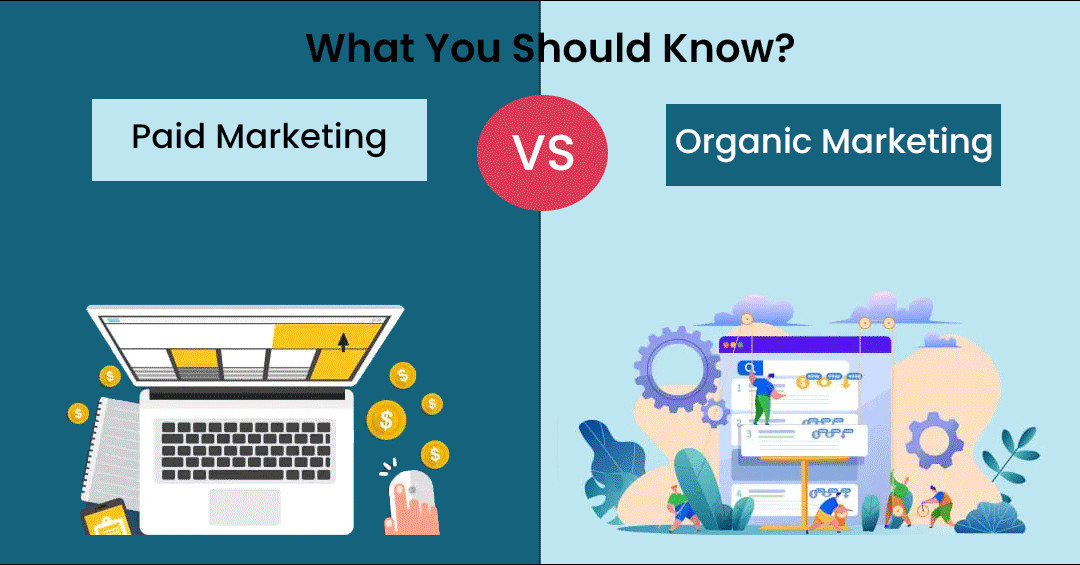
Organic Channels That Compound
Best platforms:
-
Google Search
-
Pinterest
-
YouTube
-
Instagram Reels
-
Email newsletters
Paid ads are optional.
Organic trust is permanent.
9. Automation & AI: Use Tools, Don’t Depend on Them
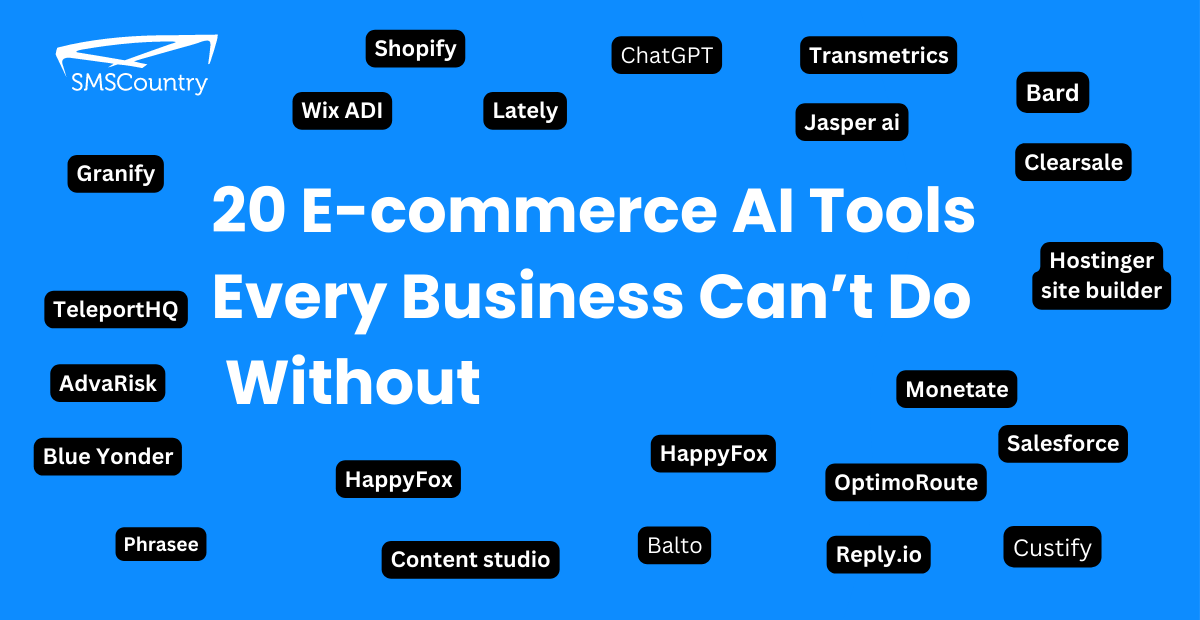
AI can help with:
-
Drafting content
-
Support automation
-
Analytics insights
-
Product ideas
But: Strategy + human understanding wins long-term.
10. Future-Ready Shopify Strategy (2026–2030)

Prepare for:
-
AI personalization
-
Voice commerce
-
Headless Shopify
-
Faster mobile UX
-
Ethical branding
-
Creator-led commerce
Early adoption = competitive advantage.
Final Thoughts: Build a Brand Google Can Trust
A Shopify store that survives and grows:
-
Educates first
-
Sells second
-
Thinks long-term
-
Builds trust
-
Creates content depth
If you follow this blueprint, you are not just building a store —
you are building a digital business asset.


